
Crown Lengthening
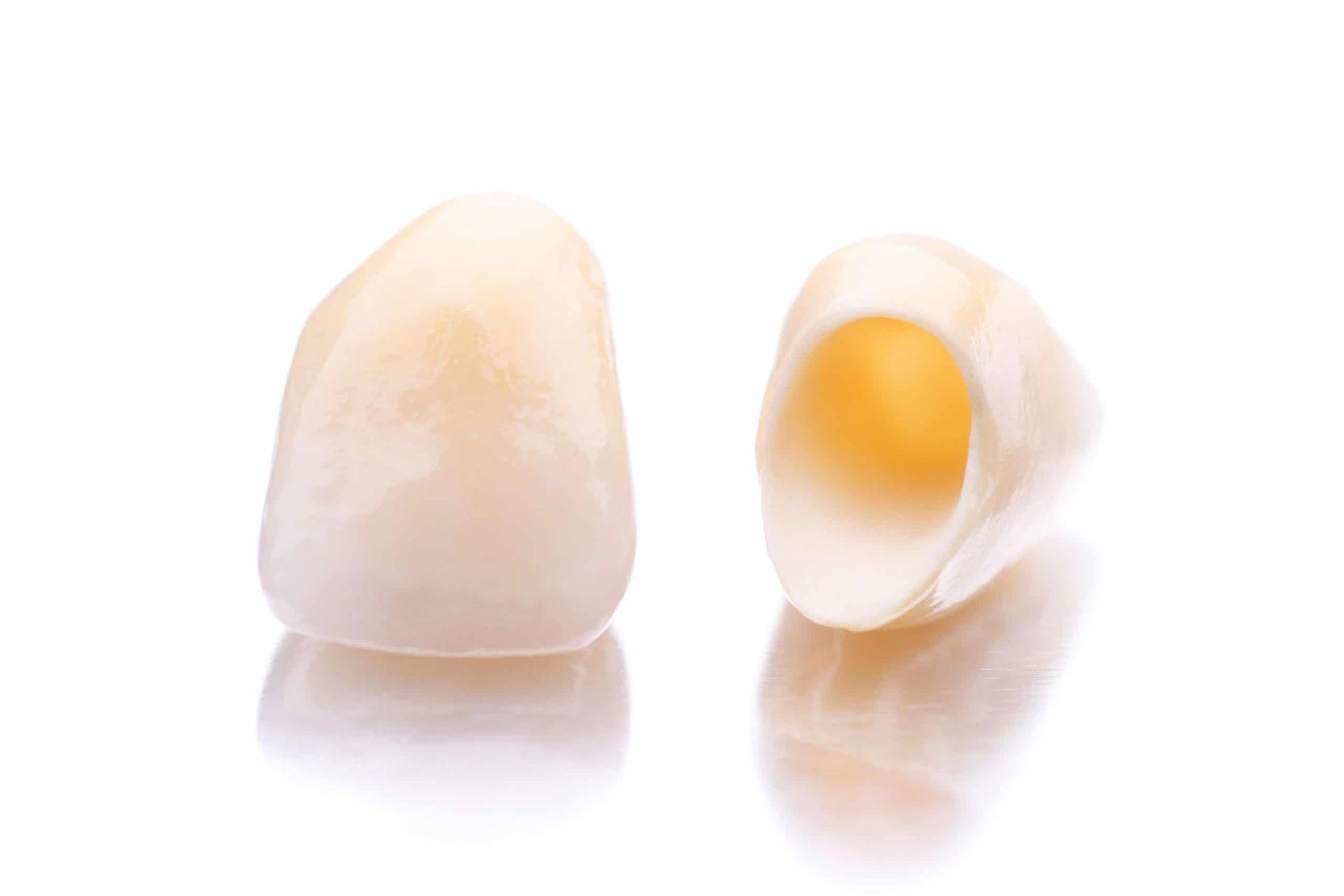
Helping You Keep Your Natural Teeth
Dentists want their patients to keep their natural teeth and will often go to great lengths to make that happen. It's one of the reasons many dentists will fill a cavity instead of pulling the tooth and leaving an open space in the mouth. Crown lengthening is one of the techniques our dentist at Apopka Smiles uses to save a tooth that might otherwise be lost.
What Is Crown Lengthening?
Despite the name, the procedure doesn't actually lengthen the crown of the tooth. Instead, it remodels the contour of the gum line, and sometimes the supporting bone, to expose more of the natural tooth. By lowering the gum line, the dentist creates more tooth surface to work with when it is time to attach a dental crown or other restoration.
When Is Crown Lengthening Needed?
Crown lengthening may be the only option available to our dentist when:
- There isn't enough tooth structure above the gum line to securely anchor a crown.
- A tooth is broken below the gum line. Crown lengthening exposes more of the tooth so it can be repaired.
- Decay extends below the gums. Exposing the decayed area allows it to be removed and the tooth restored.
- An infected or damaged tooth can be saved with a crown once enough of it is exposed.
Crown lengthening can also be part of a broader treatment plan for teeth that have already had a root canal and need a crown for protection.
What to Expect
Our dentist will start with an exam and digital X-rays to evaluate the tooth, gums and bone. On the day of the procedure, the area is numbed so you stay comfortable. The dentist then reshapes the gum tissue (and bone, if needed) around the tooth. Once the area heals, your dentist can place the final crown on a stable, healthy foundation.
Recovery Tips
- Some tenderness and swelling are normal for the first few days. A cold compress can help.
- Take any prescribed medication as directed.
- Eat soft foods and avoid chewing directly on the treated area while it heals.
- Keep the area clean with gentle brushing, and follow our Post-Operative Instructions.
Healthy Gums Make Restorations Last
Crown lengthening works best when your gums are healthy. If you have signs of gingivitis or gum disease, our dentist may recommend scaling and root planing first. Learn more about our periodontic services.
Frequently Asked Questions
Is crown lengthening painful?
The area is numbed before the procedure. Mild soreness afterward is normal and usually manageable.
Why can't my dentist just place a crown?
A crown needs enough healthy tooth structure to hold on securely. If the tooth is broken or decayed below the gum line, crown lengthening provides that structure.
Is crown lengthening an alternative to extraction?
In many cases, yes. It can allow a tooth to be saved and restored instead of removed.
Call Apopka Smiles today at 407-788-6888 for more information on crown lengthening.